Level 2 Electrician for Gordon Homes
There's a stretch of every property's electrics that a regular sparkie legally can't touch: the feed running in from the street, the meter, and the physical join where the two connect.
Our team holds the extra accreditation that covers exactly that stretch. Call (02) 9538 7356 to talk through what's needed.
Most homeowners never think about this part of the system until a switchboard job, a renovation, or a damaged cable brings it to the surface. At that point, knowing which electrician is actually allowed to touch it matters.
What We Handle Under Level 2 Electrician
This category covers the join between a property and the wider network, not anything inside the house itself.
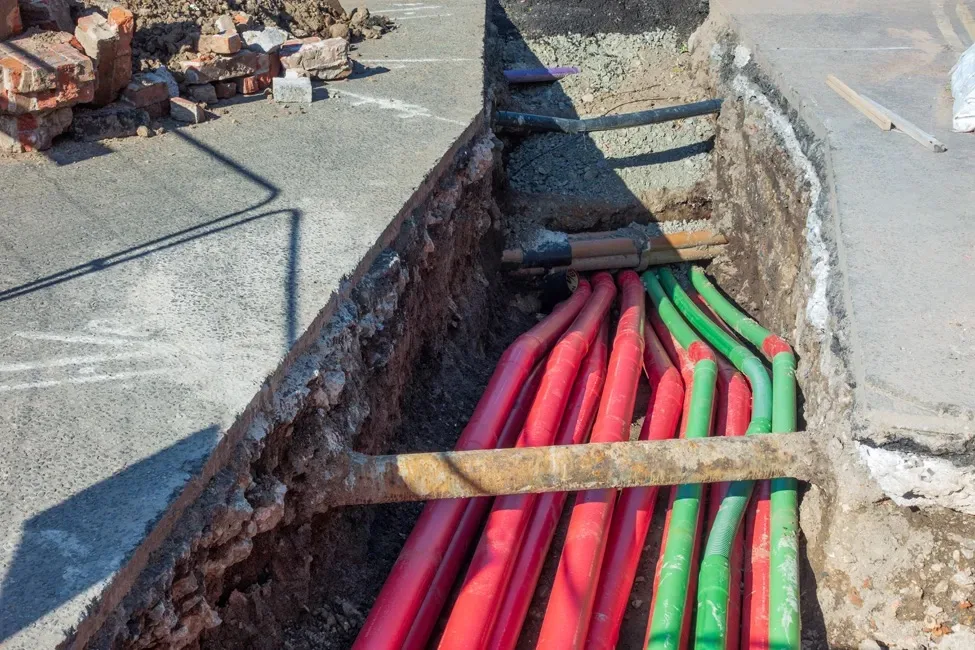
- Replacing the feed into the property: the cable running from the street connection through to the switchboard, overhead or buried.
- Fixing or upgrading a damaged supply line: where the connection into the block has degraded or needs a bigger capacity.
- The physical street connection itself: where a property's wiring actually joins the network.
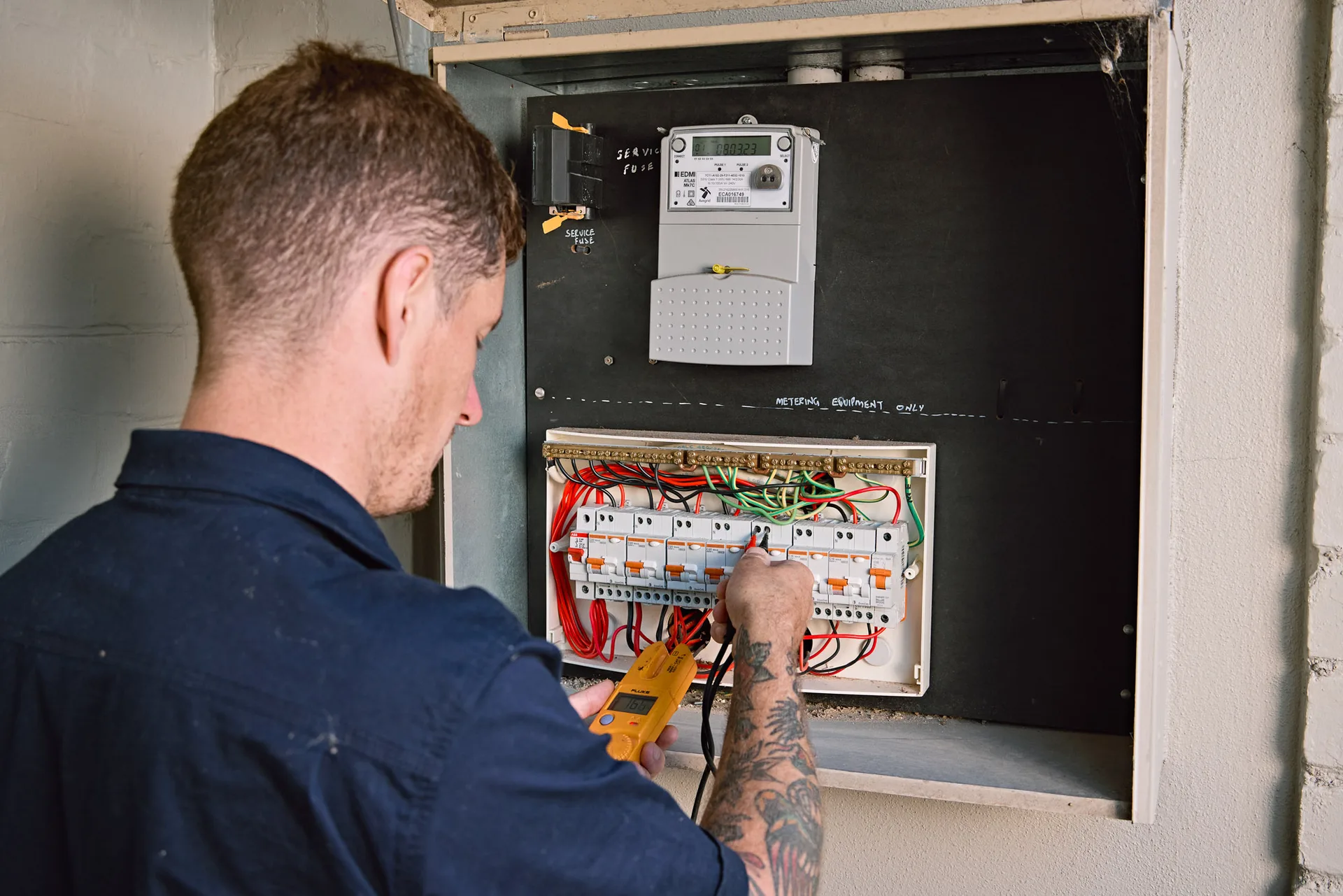
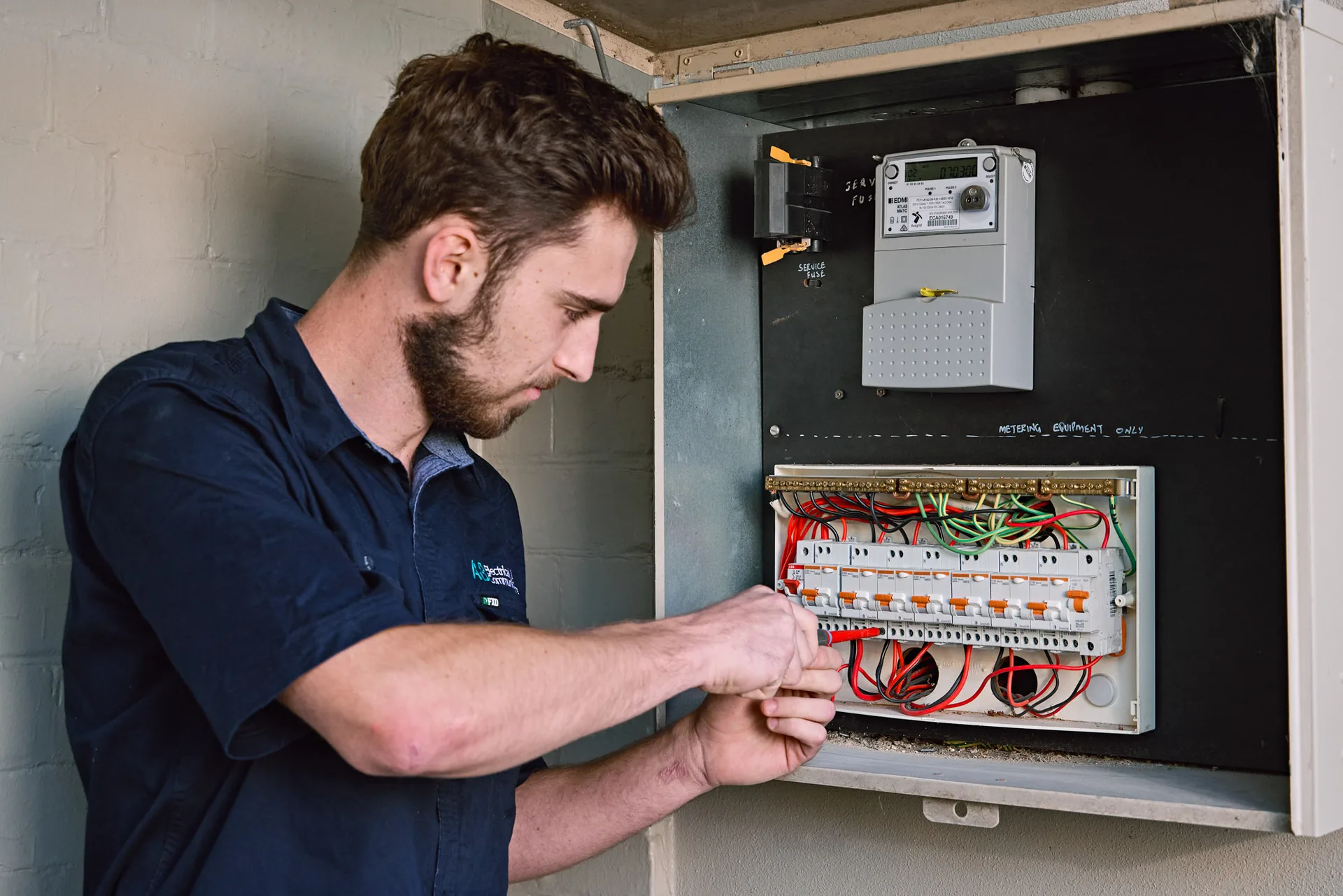
- Meter installs and relocations: as its own job, or bundled into a bigger upgrade.
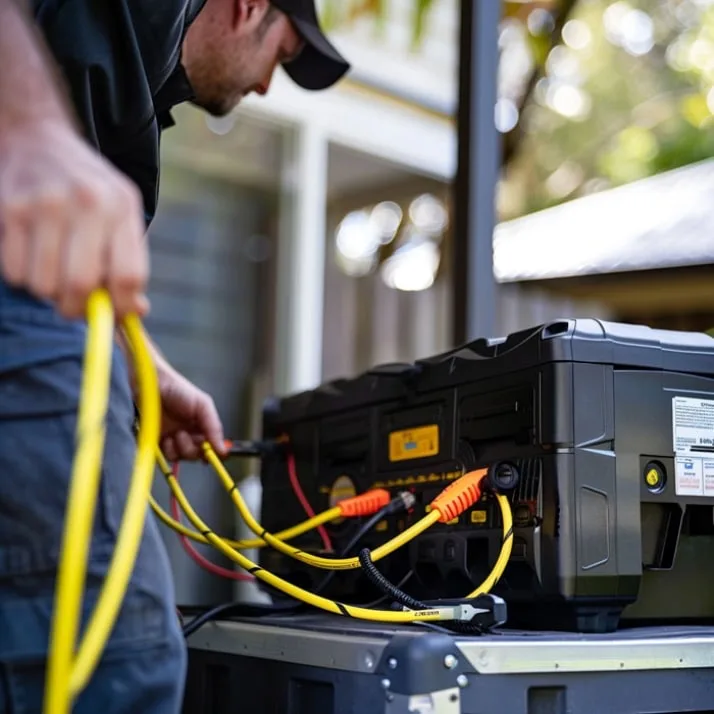
- Temporary supply disconnection: for demolition, renovation or a structural job, then a safe reconnection after.
- Fixing non-compliant supply work: picked up during an inspection or found mid-switchboard job.
It's a separate accreditation from a standard electrical licence, not an extension of one, and the two get treated as genuinely different jobs.
Homeowners often assume any electrician can quietly sort out a damaged supply cable the same visit as an unrelated job inside the house. In reality, that part of the work either goes to someone holding this specific accreditation, or it doesn't happen at all.
How to Tell You Need Level 2 Electrician
A short list of situations tends to land here rather than in ordinary electrical work.
- A switchboard job has turned up a supply cable that also needs replacing
- Demolition or a big renovation needs the supply disconnected for a stretch
- The meter needs moving or a fresh position altogether
- The cable coming into the block looks visibly worn or damaged
- An inspection has flagged the street-side connection as non-compliant
Most households never need this more than once, usually surfacing mid-renovation or alongside a switchboard replacement rather than as its own standalone call. A pool or granny flat addition can also trigger it, where the extra load means the existing street connection needs reassessing before anything new gets added.
What We See in Gordon Homes
Housing here spans Federation-era homes on wide blocks through to a growing pocket of units near the station and Pacific Highway.
The two ends of that spectrum need genuinely different things from this work. An original supply line into an early-1900s house frequently can't carry a modern load without replacement, whereas newer apartment buildings usually handle meters and street connections through the building's own shared systems rather than one at a time.
Clifford Street has several of these older homes where nobody's touched the original street connection since the place was built, and checking that connection is often the first useful step once any larger electrical job gets underway.
Level 2 Electrician Pricing: What Moves the Quote
Several things shape what this work actually costs.
- Whether it's a simple reconnection or a full replacement of the feed
- Overhead cabling versus a buried run
- How far the switchboard sits from the street connection
- Whether the meter needs relocating as part of the job
- Anything non-compliant turned up once the supply line's properly inspected
On Gordon's older properties, replacing the whole feed tends to be the bigger cost driver, since there's usually nothing salvageable to build on rather than a section that can simply be extended.
Every job here gets properly assessed and priced in writing before anything's booked. There's no hourly guessing game on this category of work; the assessment happens first, and the figure that comes out of it is what gets charged.
The Process, and What It Typically Takes
- Inspect and price. The supply line, meter and street connection get checked, then quoted properly.
- Arrange the disconnection. Coordinated with the network wherever the job calls for it.
- Do the work. Cabling, meter or connection work carried out to the accreditation standard.
- Restore, test, certify. Power comes back on, everything's tested, and the paperwork's issued.
A simple reconnection is often finished within a single visit. Replacing the whole feed usually runs longer, especially once network coordination is part of the picture.
Timing on this kind of job depends heavily on outside factors rather than just the work itself. Coordinating a disconnection with the network adds lead time that a purely internal electrical job never has to account for, so booking ahead matters more here than for most other services.
What NSW Requires for Level 2 Electrician
None of this sits inside what a general electrical licence permits. It calls for a separate accreditation tied specifically to working on network-side infrastructure, on top of the standard licence.
Property-side wiring still meets AS/NZS 3000, and the job is tested and certified the same way any other notifiable work is once it's finished.
The distinction isn't a technicality. Someone without this accreditation doing supply-line or meter work isn't cutting a corner; they're simply working outside what they're permitted to do at all.
For homeowners, the practical upshot is straightforward: ask specifically about network accreditation before booking anyone for a damaged supply line or a meter relocation, not just whether they're a licensed electrician generally.
Why Locals Choose Us for Level 2 Electrician
Fewer electricians hold this accreditation than hold a general licence, so it's worth checking it's genuinely current before booking anyone for this kind of job.
We carry it alongside the licence that covers everything else in the house, which means one team handles both halves rather than bringing in a second contractor partway through.
The same lifetime workmanship guarantee sits behind this work as everything else we do.
We've done enough of these jobs across older Gordon properties to know that the supply line is rarely the interesting part of a renovation, right up until it's the reason the rest of the project stalls waiting on a connection.
Servicing Nearby Homes Too
This work runs across Gordon and into Killara, Pymble and Roseville, with St Ives and Lindfield covered just as regularly.
It's frequently discovered alongside a switchboard upgrade, since an ageing board and an ageing supply line often turn up on the same inspection. Booking both together, where both are genuinely needed, usually beats treating them as two separate projects months apart.

Book Your Level 2 Electrician Today
Supply-line work needs the right accreditation, not just a licence. Call (02) 9538 7356 to get it looked at.
Common questions
Level 2 Electrician FAQs
What Gordon homeowners ask most about this accredited work.
Are weekend times available for Level 2 work around Gordon?
Weekdays are the usual window for planned Level 2 jobs. Ring (02) 9538 7356 and we'll fit around what suits.
Is my home too old for Level 2 electrician work?
Not at all. Older homes are actually where this comes up most, since the cable feeding a Federation-era house was never sized for what today's household draws.
Who supplies the parts, you or me?
We handle supply end to end, cabling and meter hardware included.
Does the age of the house change how Level 2 electrician work is done?
Yes, in most cases. An ageing feed into a period home often needs full replacement rather than a patch-up, which is a longer job than a house built in the last twenty years usually requires.
How do I prepare for the job?
Just clear access to the meter and wherever the supply enters the block. We'll spell out anything extra once the job's been looked at.
Is a permit or notification needed for Level 2 electrician work in NSW?
Yes, this work is notified on its own track, separate from general electrical work, and it gets tested and certified once finished.